
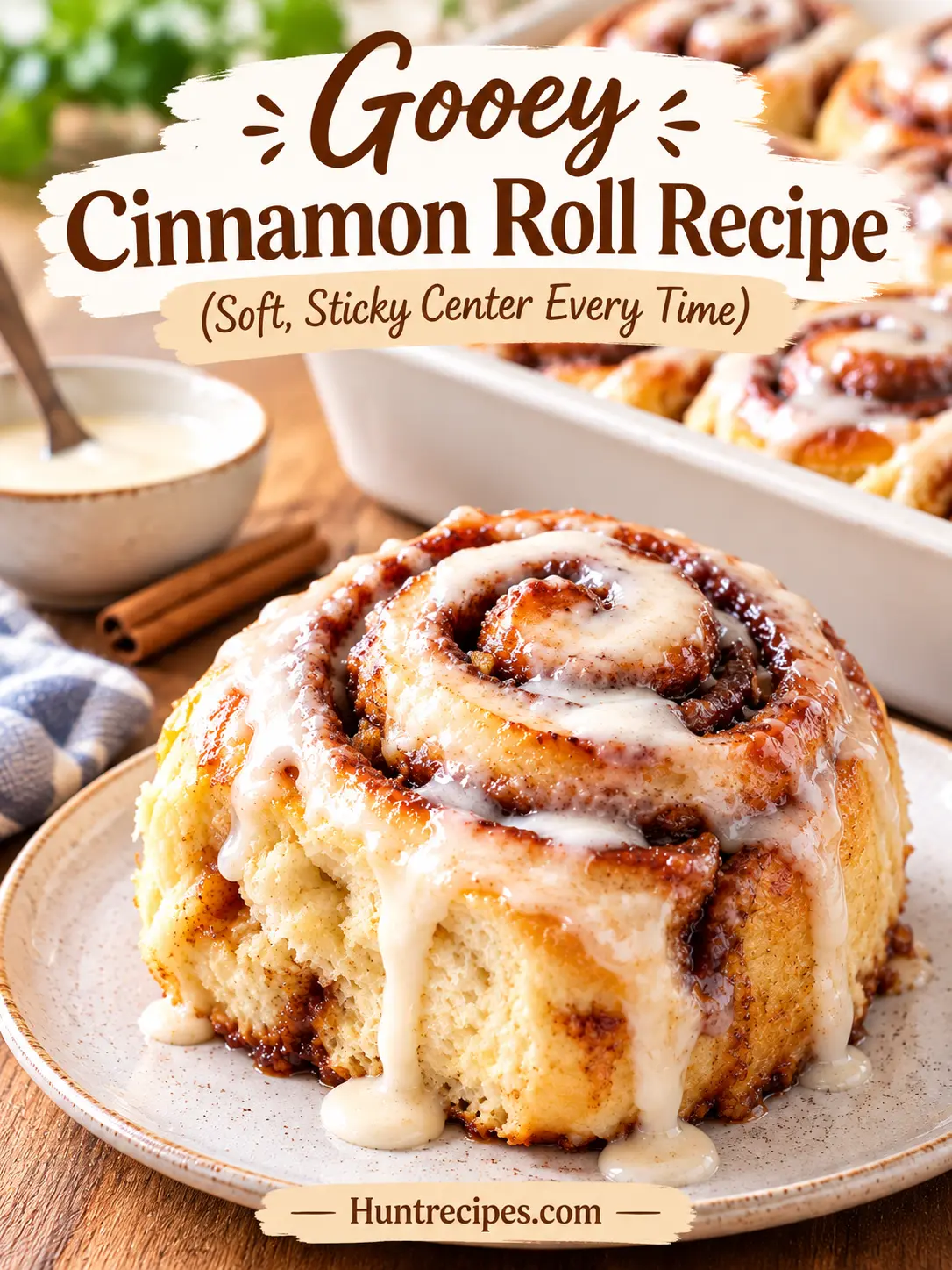
The Secret to a Gooey Cinnamon Rolls Recipe (Soft, Sticky Center)
A gooey cinnamon roll recipe sounds simple enough, until the batch comes out of the oven looking golden and perfect, but the inside turns out dry and bready instead of soft and sticky. That gap between what a recipe promises and what actually lands on the plate is the most common complaint with homemade cinnamon rolls, and it almost always comes down to two things: what’s in the filling, and what happens to the dough in the final minutes before baking.
This recipe uses a classic yeasted dough, a filling built to stay wet and syrupy instead of drying out, and a cream-pour step added right before baking that keeps the inside soft all the way through. Below, you’ll find the full method, common troubleshooting points, and both a cream cheese frosting and a simple glaze so you can pick your topping.
Why These Cinnamon Rolls Turn Out Gooey
What Makes a Cinnamon Roll Gooey vs. Dry
Dry cinnamon rolls usually trace back to one of two problems. The filling doesn’t have enough fat and moisture to stay soft as it bakes, so it turns into a dry, crumbly layer instead of a syrupy one. Or the rolls bake a few minutes too long, which pulls moisture out of the center before it has a chance to set into that soft, pull-apart texture.
Neither problem is really about the recipe being “wrong.” It’s about a couple of small technique choices that most standard recipes skip.
The Two Techniques Used in This Recipe
This recipe leans on two things to get a properly gooey result.
First, the filling uses softened butter creamed together with brown sugar, rather than just melted butter brushed on with sugar sprinkled over the top. A creamed filling holds together better during rolling, and it bakes into a syrupy, gooey pocket instead of hardening into a crust.
Second, warm heavy cream gets poured over the shaped rolls right before they go into the oven. As the rolls bake, the dough absorbs the cream, which keeps the centers soft and adds to that classic gooey, pull-apart texture, especially for the rolls in the middle of the pan. This technique shows up in a lot of copycat mall-cinnamon-roll recipes, and it’s genuinely one of the more reliable ways to keep the inside from drying out.
Together, these two fixes solve both causes of dry cinnamon rolls: a dry filling and no added moisture during baking.
Ingredients Needed for Gooey Cinnamon Rolls
For the Dough
- All-purpose or bread flour: either works, though bread flour gives a slightly chewier structure thanks to its higher protein content.
- Instant yeast: mixes right into the dry ingredients. Active dry yeast can be substituted (more on that in the troubleshooting section below).
- Whole milk: adds richness and helps activate the yeast.
- Butter: adds flavor and softness to the dough.
- Egg: helps bind the dough and adds a bit of structure.
- Granulated sugar: feeds the yeast and adds a light sweetness to the dough itself.
For the Gooey Filling
- Softened butter: creamed rather than melted, which is the key difference that keeps the filling from drying out.
- Brown sugar: light or dark both work, though dark brown sugar has a slightly deeper molasses flavor.
- Ground cinnamon: the main flavor of the filling, so fresher cinnamon makes a noticeable difference.
For the Cream Pour
- Heavy cream: warmed slightly before pouring, this is what keeps the centers soft as the rolls bake.
For the Topping
You can choose cream cheese frosting, a simple glaze, or make both and let people pick.
Cream Cheese Frosting:
- Cream cheese, softened
- Butter, softened
- Powdered sugar
- Vanilla extract
Simple Glaze:
- Powdered sugar
- Milk
- Vanilla extract
How to Make Gooey Cinnamon Rolls Step-by-Step
Make and Knead the Dough
Warm the milk and butter together until the butter melts and the mixture feels warm to the touch, not hot. Anything above about 115°F risks killing the yeast, so let it cool slightly if needed.
Combine the warm milk mixture with the yeast, sugar, and egg, then gradually mix in the flour until a soft dough forms. Knead until the dough turns smooth and elastic, about 8 to 10 minutes by hand or 5 to 7 minutes with a stand mixer.
The dough should feel slightly tacky but not sticky. If it clings heavily to your hands after a few minutes of kneading, add flour a tablespoon at a time rather than all at once.
First Rise
Place the dough in a lightly greased bowl, cover it, and let it rise somewhere warm until doubled in size. This usually takes 1 to 1.5 hours, though it can run longer in a cool kitchen.
Instead of watching the clock, press two fingers into the dough. If the indent stays, the dough is ready. If it springs back, give it more time.
Make the Gooey Filling
Beat the softened butter, brown sugar, and cinnamon together until the mixture looks creamy and well combined, not just melted and stirred. This creaming step is what gives the filling its texture and keeps it from drying into a crumbly layer during baking.
Roll, Fill, and Shape the Rolls
Roll the risen dough into a rectangle, about 15 by 12 inches. Spread the filling evenly across the surface, leaving a half-inch border along one long edge so the roll can seal.
Roll the dough tightly into a log, starting from the filled edge. A tighter roll means a tighter spiral once baked, so take a moment here rather than rushing it.
Cut the log into 12 even pieces. A sharp knife works, but unflavored dental floss slid underneath the log and pulled up through it prevents squashing the rolls during the cut.
Arrange the rolls in a greased 9×13-inch pan.
Second Rise
Cover the pan and let the rolls rise again until they look puffy and have grown noticeably in size, usually 45 minutes to an hour. The same finger-poke test applies here: an indent that holds means they’re ready.
Add the Cream and Bake
Warm the heavy cream slightly, just until it’s no longer cold, and pour it evenly over the risen rolls right before baking. It will pool in the gaps between rolls and around the edges of the pan, and that’s exactly where you want it.
Bake at 350°F for 25 to 30 minutes, until the tops are golden and the centers look set rather than doughy.
How to Tell When Cinnamon Rolls Are Done
Color alone can be misleading, since the tops can look golden while the centers are still underbaked. For a more reliable check, insert an instant-read thermometer into the center of one of the middle rolls. A reading between 190°F and 200°F means the dough is fully baked while still staying soft and moist.
If you don’t have a thermometer, gently pull apart one of the center rolls. The dough should look soft and slightly glossy, not wet or raw, and it shouldn’t feel doughy against a toothpick or fork.
Topping Options: Cream Cheese Frosting vs. Glaze
Cream Cheese Frosting
Beat softened cream cheese and butter together until smooth, then mix in powdered sugar and vanilla until the frosting turns light and spreadable. Spread it over the rolls while they’re still warm so it melts slightly into the spirals.
Simple Powdered Sugar Glaze
Whisk powdered sugar, milk, and vanilla together until the mixture reaches a pourable consistency. Drizzle it over the warm rolls, letting it soak into the cracks and edges rather than sitting on top like a solid layer.
Troubleshooting Gooey Cinnamon Rolls
Why Didn’t My Dough Rise?
A few things typically slow down or stop a dough from rising. The kitchen might be too cool, which just means the dough needs more time. The milk might have been too hot when mixed with the yeast, which can damage it. Or the yeast itself might be old, especially if the package has been open a while.
Rise times are a guideline, not a deadline. Warmth, humidity, and even the specific ingredients used can all shift how long it takes.
Why Are My Cinnamon Rolls Dense Instead of Gooey?
Dense rolls are usually a sign that the dough didn’t get enough time to rise, or that too much flour got worked in during kneading. Both problems tighten up the dough’s structure in a way that fights against a soft, gooey texture.
Measuring flour by weight, rather than scooping directly with a measuring cup, helps avoid accidentally adding too much.
Why Did the Filling Leak Out During Baking?
A small amount of leakage is normal and doesn’t affect the final texture. Excessive leaking usually means the filling was too melted rather than creamed, or the log wasn’t rolled tightly enough to hold everything in place.
My Dough Is Too Sticky. Should I Add More Flour?
A little stickiness is expected, especially early in kneading. Resist the urge to dump in extra flour all at once, since that’s one of the fastest ways to end up with dry, dense rolls instead of gooey ones.
Add flour gradually, a tablespoon at a time, only if the dough is still sticking heavily to your hands after several minutes of kneading.
Can I Make Gooey Cinnamon Rolls Without Yeast?
Quick versions using baking powder instead of yeast do exist, and they cut the process down significantly since there’s no rising time involved. That said, they produce a noticeably different texture: closer to a soft biscuit than the light, pillowy structure a yeasted dough creates. If a truly gooey, pull-apart texture is the goal, yeast is the more reliable route.
Tips for the Gooiest Results
- Glass or ceramic pans heat more slowly than metal, which can help keep the centers softer during baking.
- Placing the rolls close together in the pan, rather than spaced out, keeps the sides soft since they rise into each other.
- Overbaking is the single most common cause of dry rolls, so pull them as soon as the internal temperature hits the target range.
- Cinnamon rolls are at their gooiest right when warm. Both the filling and the cream soften as the rolls cool, so serving them fresh from the oven makes the biggest difference.
Make-Ahead and Storage
Overnight Method
Prepare the rolls through shaping and placing them in the pan, but skip the final rise. Cover tightly and refrigerate overnight. In the morning, let the rolls sit at room temperature until puffy before adding the cream and baking as directed. Because they start out cold, the final rise will take longer than usual.
Freezing Unbaked Rolls
Shape the rolls and arrange them in the pan, then freeze before the final rise. Once frozen solid, wrap tightly or transfer to an airtight container. Thaw overnight in the refrigerator, bring to room temperature, and let the rolls finish rising before adding the cream and baking.
Freezing Baked Rolls
Let the rolls cool completely before freezing. Store in an airtight, freezer-safe container to prevent freezer burn. Individual rolls can be frozen separately for easier reheating later.
How Long Do Gooey Cinnamon Rolls Stay Fresh?
Stored in an airtight container at room temperature, cinnamon rolls stay soft for about a day. If topped with cream cheese frosting, refrigerate them and use within 3 to 4 days.
How to Reheat Without Drying Them Out
For a single roll, microwave in 10 to 15 second bursts until warmed through. For multiple rolls, cover the pan and warm gently in a low oven, which helps prevent the tops from drying out while the centers heat up.
Frequently Asked Questions
What’s the Difference Between a Cinnamon Roll and a Cinnamon Bun?
The difference mostly comes down to shape and topping. Cinnamon rolls are rolled into a spiral and typically topped with cream cheese frosting or glaze. Cinnamon buns are often shaped differently and inverted after baking so a sticky brown sugar mixture pools over the top, similar to a sticky bun.
Can I Use All-Purpose Flour Instead of Bread Flour?
Yes. Bread flour creates a slightly chewier texture thanks to its higher protein content, but all-purpose flour still produces soft, well-risen rolls and is a common substitute.
Can I Make These Ahead for a Holiday or Brunch?
Yes. The overnight method above works well for this, since the rolls can be shaped the night before and simply need to finish rising in the morning before baking.
Why Pour Heavy Cream Over Cinnamon Rolls Before Baking?
The cream soaks into the dough as it bakes, which keeps the interior soft and adds to the gooey, custardy texture that a lot of bakers look for in this style of cinnamon roll. It’s a small extra step, but it makes a real difference in the final texture.
Can I Halve or Double This Recipe?
The recipe can be halved and baked in a smaller 8 or 9-inch pan. To double it, it’s best to make the dough in two separate batches rather than one large one, since a bigger volume of dough can be harder to knead evenly and may need two pans anyway.
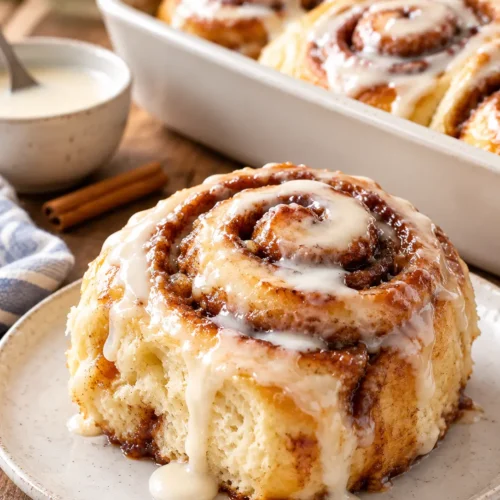
Gooey Cinnamon Rolls
Ingredients
Dough
- 4 cups All-Purpose Flour or Bread Flour; plus more for dusting
- 1/3 cup Granulated Sugar
- 2 1/4 tsp Instant Yeast one standard packet
- 1 cup Whole Milk
- 1/3 cup Butter cut into cubes
- 1 Large Egg room temperature
- 1 tsp Fine Salt
Gooey Filling
- 1/2 cup Butter softened, not melted
- 3/4 cup Brown Sugar packed, light or dark
- 2 tbsp Ground Cinnamon
Cream Pour
- 1/2 cup Heavy Cream warmed slightly
Cream Cheese Frosting
- 8 oz Cream Cheese softened
- 1/4 cup Butter softened
- 2 cups Powdered Sugar
- 1 tsp Extract
Simple Glaze
- 1 1/2 cups Powdered Sugar
- 2-3 tbsp Milk
- 1/2 tsp Vanilla Extract
Instructions
- Warm the milk and butter until the butter melts and the mixture feels warm, not hot.
- Combine the milk mixture with the yeast, sugar, egg, and salt, then gradually mix in the flour until a soft dough forms.
- Knead until smooth and elastic, about 8 to 10 minutes by hand.
- Let the dough rise in a covered, greased bowl until doubled, about 1 to 1.5 hours.
- Beat the filling ingredients together until creamy, not just melted.
- Roll the dough into a 15x12-inch rectangle and spread the filling evenly, leaving a half-inch border.
- Roll tightly into a log and cut into 12 pieces using a sharp knife or dental floss.
- Arrange in a greased 9x13-inch pan, cover, and let rise until puffy, about 45 minutes to an hour.
- Warm the heavy cream and pour evenly over the risen rolls.
- Bake at 350°F for 25 to 30 minutes, until golden and an internal temperature of 190-200°F is reached at the center.
- Prepare the cream cheese frosting or glaze while the rolls bake, then spread or drizzle over the warm rolls.
Notes
- Active dry yeast can replace instant yeast. Dissolve it in the warm milk mixture with a pinch of sugar and let it sit 5-10 minutes until foamy before continuing.
- A little dough stickiness is normal. Add extra flour gradually rather than all at once.
You May Also Like:
One Comment