What Does Baba Ganoush Taste Like? Flavor Explained
What Does Baba Ganoush Taste Like?
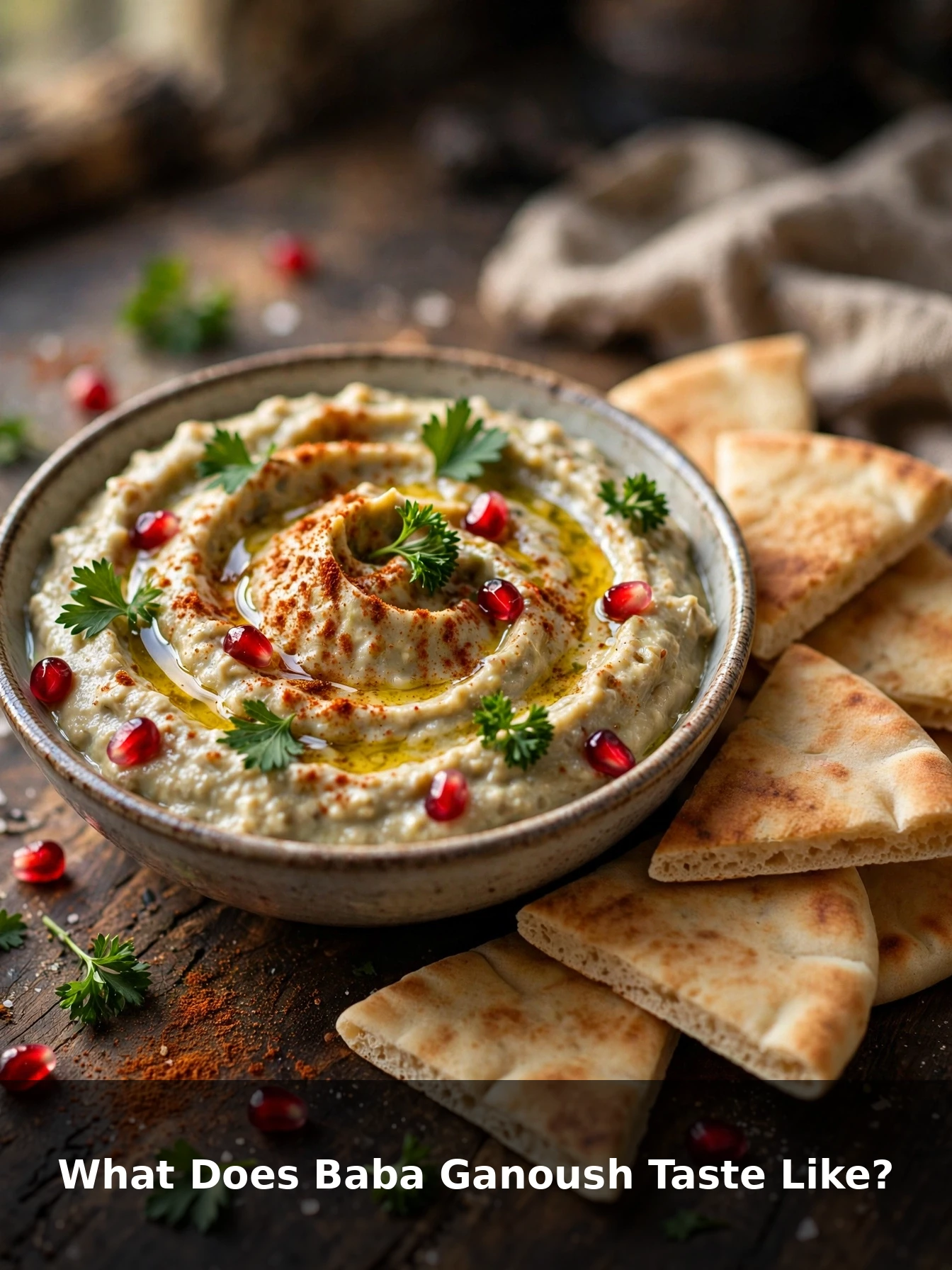
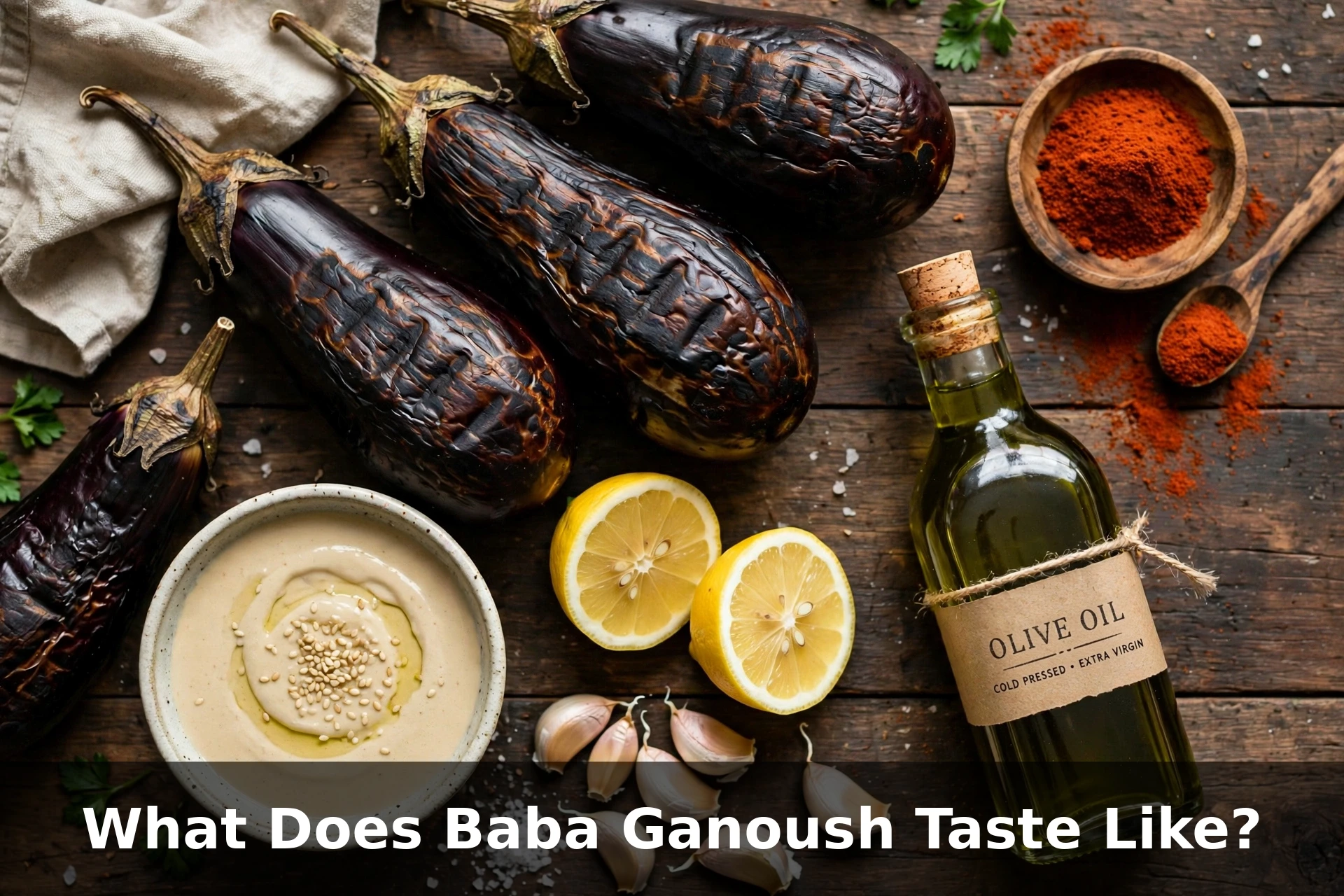
Baba ganoush tastes smoky, creamy, and tangy all at once. The roasted eggplant gives it a deep, fire-kissed flavor that is richer than most dips, while tahini adds a nutty, silky layer underneath.
Lemon juice brightens the whole dip, raw garlic gives it a gentle bite, and olive oil rounds everything into a smooth, spreadable finish. It is savory and satisfying without being heavy, and the smoky note is what most first-time tasters remember.
Breaking Down the Flavor Notes
Every ingredient in baba ganoush shows up on the palate. Here is what each one brings to the final taste.
Smoke. The defining note comes from charring the eggplant until the skin blisters and blackens. That char infuses the flesh with a campfire-like smokiness no spice can copy.
Nuttiness. Tahini (sesame seed paste) adds a mild, nutty richness and the creamy body of the dip. More tahini means a milder, nuttier flavor; less lets the smoke stand out.
Tang. Fresh lemon juice cuts through the richness with a clean, bright acidity. It keeps the dip from tasting flat or greasy.
Pungency. A small amount of raw garlic adds a warm, savory kick in the background. It should accent the dip, not overpower it.
Silkiness. Good olive oil adds a smooth, almost buttery mouthfeel and ties the other flavors together.
How the Cooking Method Changes the Taste
The smoke level depends almost entirely on how the eggplant is cooked. An eggplant roasted directly over an open flame or gas burner comes out intensely smoky. Grilling over charcoal gives a strong but slightly milder char.
Oven-roasted eggplant produces a gentler, sweeter smokiness with more pronounced eggplant flavor. A simply baked eggplant with no char tastes creamy and mild but lacks the signature depth. That is why restaurant baba ganoush often tastes smokier than homemade versions – commercial kitchens char harder than most home ovens.
What Should the Texture Feel Like?
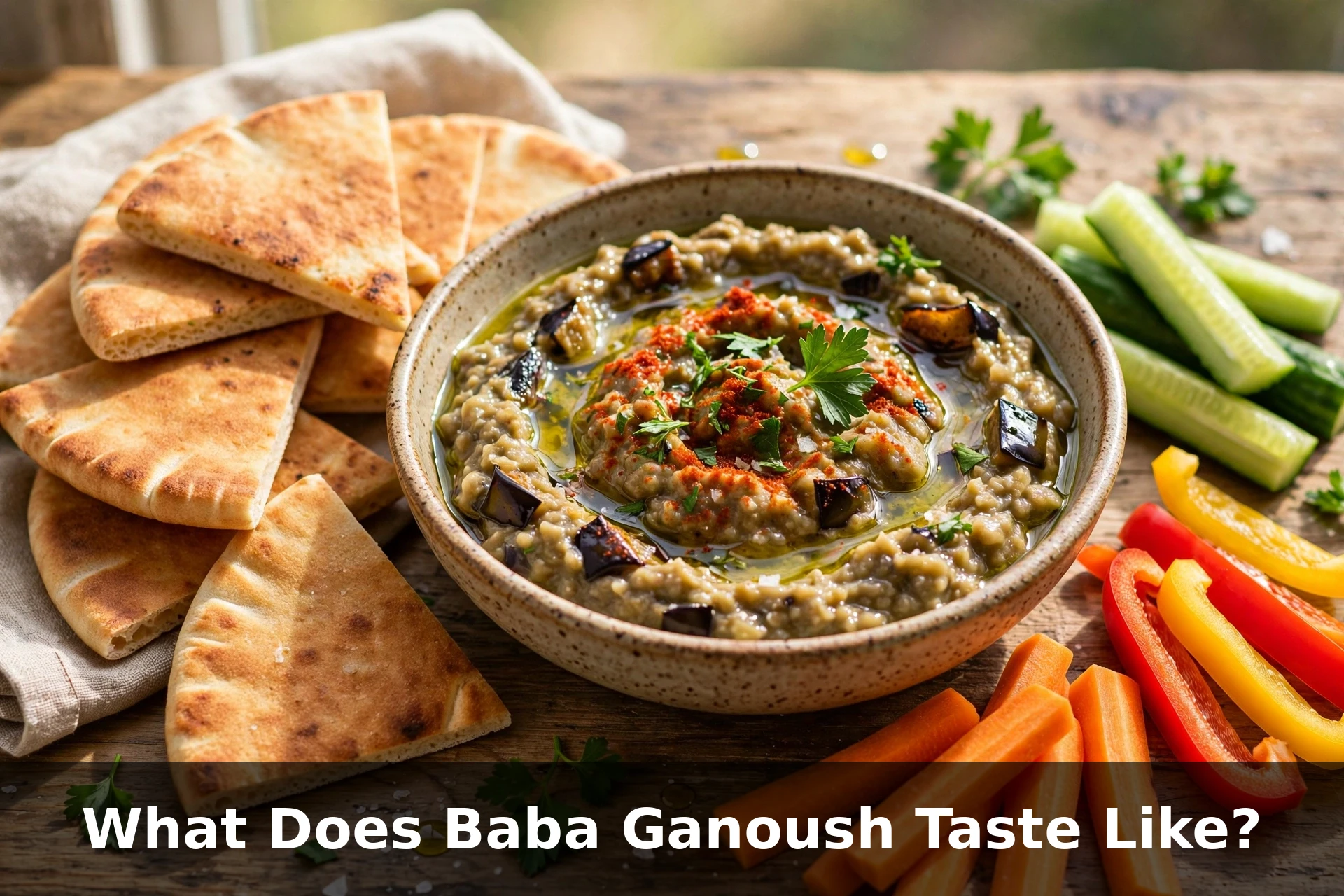
Traditional baba ganoush has a rustic, slightly chunky texture from hand-mashing the eggplant flesh. It is thick enough to scoop with pita but soft enough to spread. Many modern versions are blended smooth, which makes them silkier but can dull some of the smoky character.
Either way, the dip should be creamy, not watery. Watery baba ganoush usually means the roasted eggplant was not drained before mixing – the flesh releases a lot of liquid after roasting, and draining it for a few minutes fixes the problem.
Baba Ganoush vs Hummus
These two dips share tahini, lemon, and garlic, so they look similar on a mezze plate. The base ingredient changes everything.
| Baba Ganoush | Hummus | |
|---|---|---|
| Base | Roasted eggplant | Chickpeas |
| Flavor | Smoky, earthy, complex | Mild, nutty, creamy |
| Texture | Rustic, can be chunky | Usually silky smooth |
| Calories (2 tbsp) | About 40-50 | About 70 |
Baba ganoush suits people who like bold, rustic flavors. Hummus suits people who prefer mild, crowd-pleasing creaminess. For a full comparison of textures, nutrition, and uses, see this baba ganoush vs hummus guide.
What About Mutabbal?
Mutabbal causes confusion because in some regions the name is used interchangeably with baba ganoush. Technically, mutabbal is a similar roasted eggplant dip but often includes yogurt or is seasoned differently, with a milder, tangier profile and sometimes a looser texture.
In the Levant, what many restaurants label “baba ganoush” is closer to mutabbal. If your dip tastes extra tangy and smooth with a yogurt-like freshness, you are probably eating mutabbal.
How to Eat Baba Ganoush
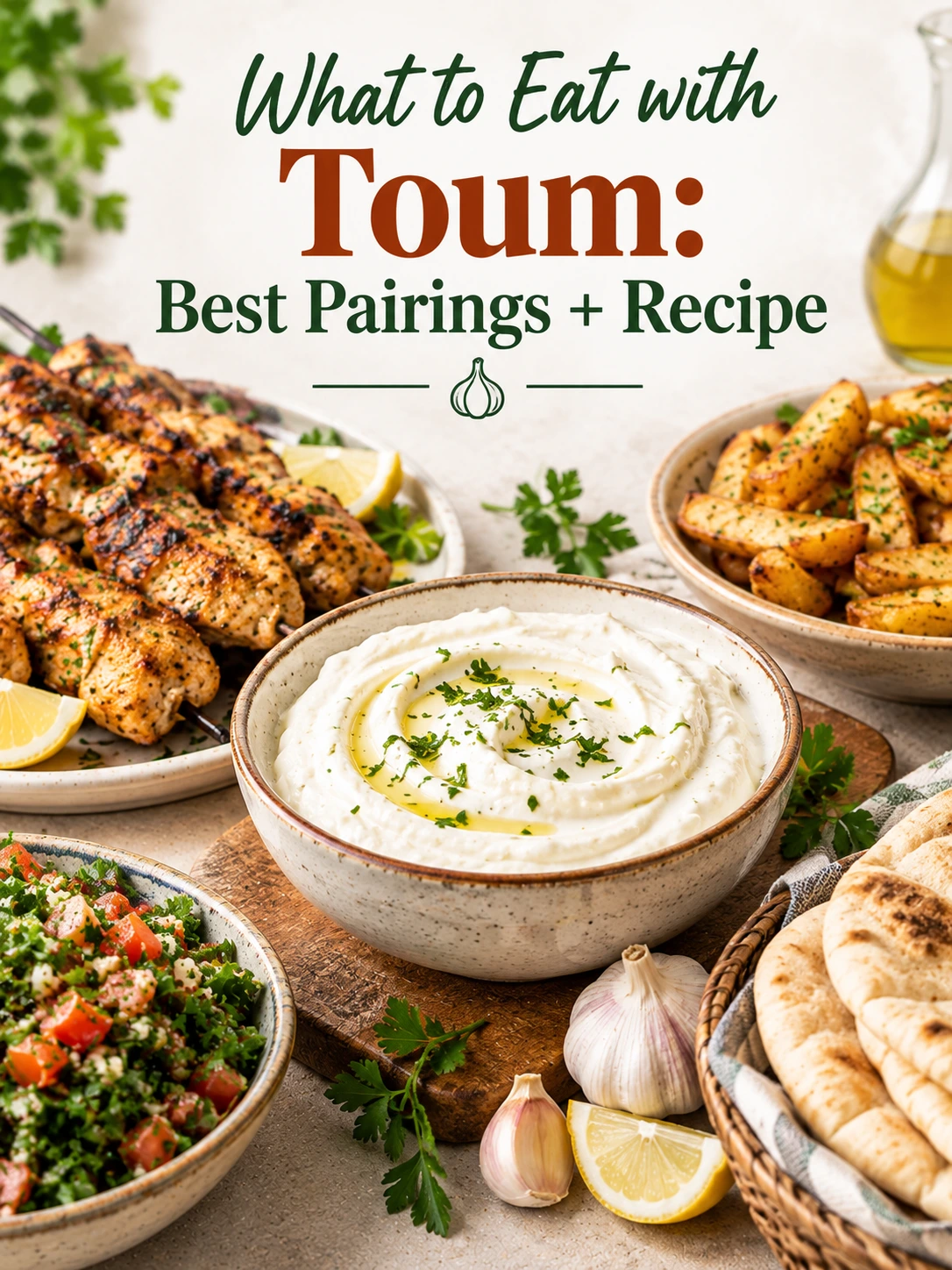
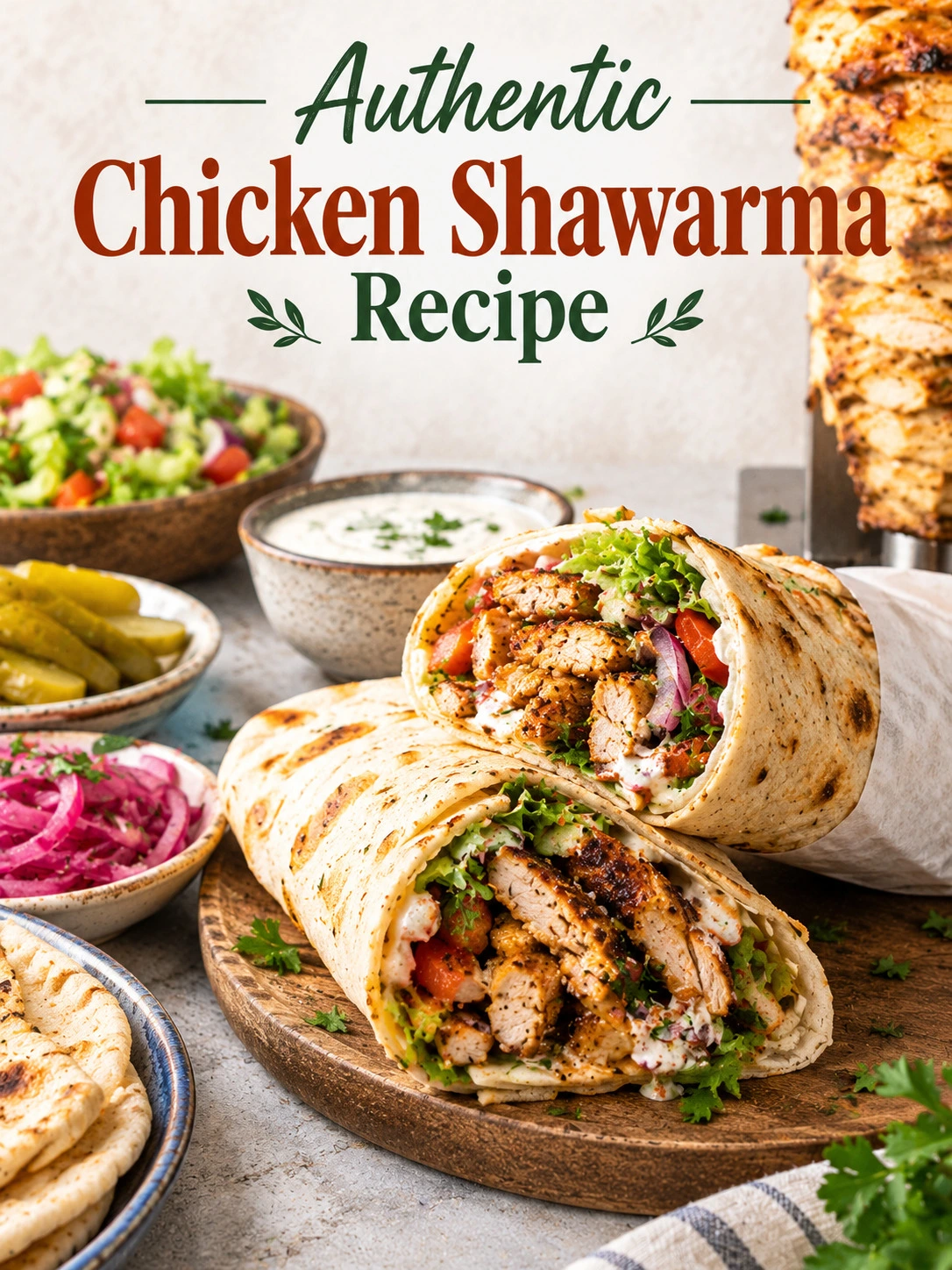
Baba ganoush works best as part of a mezze spread, scooped up with warm pita bread or sturdy vegetable sticks like cucumber, carrot, and bell pepper. It also pairs beautifully with grilled meats – try it alongside this authentic chicken shawarma recipe where the smoky dip cools the spiced meat.
Beyond dipping, spread it on sandwiches and wraps, spoon it next to falafel, or serve it as a side with kebabs. For more serving ideas across the cuisine, browse these Middle Eastern chicken dishes that pair well with smoky dips.
Variations That Change the Taste
Regional versions shift the flavor in noticeable ways. Egyptian-style baba ganoush often includes cumin, which adds a warm, earthy depth. Some versions skip tahini entirely for a lighter, more eggplant-forward taste.
Smoked paprika on top deepens the smoky note, while pomegranate seeds add sweet-tart bursts that contrast with the char. Extra garlic makes it sharper; extra lemon makes it brighter.
FAQs
What does baba ganoush taste like compared to hummus?
Baba ganoush tastes smokier and more complex, with charred, earthy notes from roasted eggplant. Hummus tastes milder and nuttier, with a gentle chickpea creaminess. Both share tahini, lemon, and garlic, but the eggplant base makes baba ganoush bolder while chickpeas make hummus softer and more filling.
Is baba ganoush supposed to be smoky?
Yes. Smokiness is the signature flavor of authentic baba ganoush, and it comes from charring the eggplant skin until it blackens. If your baba ganoush tastes flat or bland, the eggplant was probably not charred enough – a deeper char or a quick pass under the broiler fixes it.
What is baba ganoush made of?
Traditional baba ganoush is made of roasted or charred eggplant, tahini, fresh lemon juice, garlic, olive oil, and salt. Common garnishes include smoked paprika, parsley, and pomegranate seeds. That is the whole ingredient list – its depth comes from technique, not complexity.
Why does my baba ganoush taste bitter?
Bitterness usually comes from the eggplant itself. Older, large, or very seedy eggplants taste more bitter, as do undercooked ones. To fix it, choose firm, medium-sized eggplants that feel heavy for their size, roast them until completely collapsed and tender, and drain the flesh before mixing. A little extra lemon and salt also balances residual bitterness.
How do you eat baba ganoush?
The classic way is as a dip with warm pita bread, part of a Middle Eastern mezze spread. It also works as a sandwich spread, a side for grilled meats and kebabs, or scooped with raw vegetables. Serve it at room temperature or slightly chilled, finished with a drizzle of olive oil.
Conclusion
Baba ganoush is a smoky, creamy, tangy dip where fire-charred eggplant does the heavy lifting and tahini, lemon, and garlic fill in the rest. Once you know what creates each flavor note, it is easy to judge a good batch – and to fix a bland one.