

What Is Chicken Kofta? Mandi, Kabsa, Maqluba & Mansaf
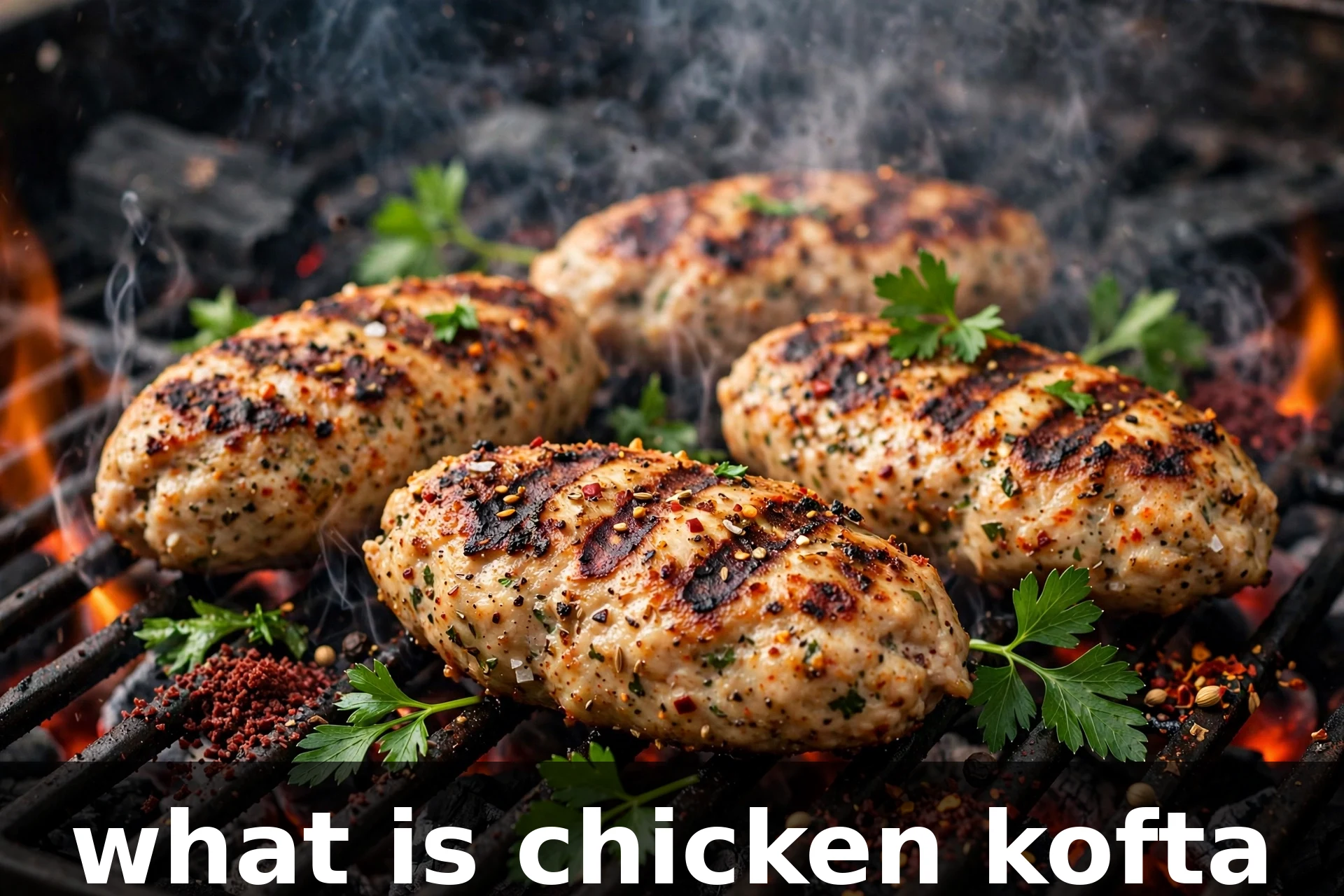
What is chicken kofta? It is ground chicken mixed with herbs, onion, and spices, shaped into patties, meatballs, or skewers, then grilled or pan-fried. It is one of the most approachable dishes in Middle Eastern cooking, and it often shows up on menus right next to bigger rice dishes like mandi, kabsa, maqluba, and mansaf.
Those five names confuse even enthusiastic food lovers, because they all involve spiced meat and rice but come from different countries and cooking traditions. This guide explains what each dish is, where it comes from, what it tastes like, and how it is traditionally served.
Why This Guide Works
- All five dishes in one place: no more jumping between pages to compare them.
- Accurate origins: each dish is traced to its real home country, not a vague “Middle East” label.
- Flavor profiles: taste descriptions written for someone who has never tried the dish.
- Practical context: how each dish is served and eaten, so menus stop being intimidating.
What Is Chicken Kofta?
Chicken kofta is a ground-meat preparation found across the Middle East, Turkey, and South Asia. The word comes from the Persian “koofteh,” meaning pounded or ground meat. For the chicken version, ground chicken is mixed with finely minced onion, parsley, garlic, and warm spices like cumin, paprika, and coriander, then shaped by hand.
Origin: Kofta traces back to Persian and Ottoman kitchens and spread across the region centuries ago. Nearly every Middle Eastern country has its own version, from Turkish kofte to Lebanese kafta.
Flavor profile: Savory and herb-forward, with the char of the grill and gentle warmth from cumin and paprika. It is milder than most curries and very approachable for cautious eaters.
How it is served: Grilled on skewers, pan-fried as patties, or tucked into pita wraps with tahini, salad, and pickles. It also appears over rice or alongside mezze spreads.
What Is Mandi?
Mandi is a Yemeni rice-and-meat dish built around smoke. Meat, usually chicken, lamb, or goat, hangs in a sealed underground tandoor oven over charcoal while long-grain rice cooks in a tray beneath it, catching the dripping juices.
Origin: Hadhramaut, Yemen. It is often mislabeled as Saudi, but its roots are firmly Yemeni, and it spread across the Gulf from there.
Flavor profile: Smoky, mellow, and aromatic. The spice blend is gentle, built on cardamom, black pepper, and cloves, so the smoke is the star.
How it is served: On large communal platters, often eaten by hand, at weddings, Friday family gatherings, and Ramadan iftars.
What Is Kabsa?
Kabsa is Saudi Arabia’s national dish: spiced rice and meat cooked together in one pot. Unlike mandi, everything cooks on the stovetop, and the defining ingredients are dried lime (loomi) and tomato, which give the rice a tangy depth and darker color.
Origin: The Najd region of Saudi Arabia. The name comes from the Arabic root meaning “to press,” referring to all the ingredients pressed into a single pot.
Flavor profile: Warm, savory, and lightly tart from the dried lime, with black pepper, cardamom, cinnamon, and saffron in the background. Bolder and tangier than mandi.
How it is served: Heaped on a big platter, garnished with almonds, pine nuts, and raisins, with a spicy tomato sauce called daqqus on the side.
What Is Maqluba?
Maqluba means “upside-down” in Arabic, and the name describes the cooking method. Rice, fried cauliflower or eggplant, and chicken or lamb are layered in a pot, cooked together, then flipped upside-down onto a serving platter so the vegetables form a dramatic golden crown on top.
Origin: Palestine and the wider Levant. It is the classic Friday family lunch across Palestinian, Jordanian, and Syrian households.
Flavor profile: Comforting and savory, with caramelized vegetable sweetness, turmeric-tinted rice, and warm spices like allspice and cinnamon. The flipped vegetables add a soft, almost creamy texture.
How it is served: The flip happens at the table for maximum drama. It is served with plain yogurt or a simple chopped salad.
What Is Mansaf?
Mansaf is Jordan’s national dish and its most ceremonial food. Lamb cooks in a sauce made from jameed, a fermented dried yogurt with a sharp, tangy funk, then gets served over rice and shrak flatbread with toasted almonds and pine nuts scattered on top.
Origin: Jordan, with Bedouin roots. It is so central to Jordanian identity that it was added to UNESCO’s Intangible Cultural Heritage list.
Flavor profile: Rich, tangy, and deeply savory. The jameed sauce tastes like nothing else: sour, salty, and meaty all at once. This is the boldest dish of the five.
How it is served: Traditionally eaten standing around a shared platter using only the right hand, at weddings, holidays, and gatherings held to honor guests.
Kofta, Mandi, Kabsa, Maqluba, and Mansaf at a Glance
| Dish | Origin | Base | Signature Flavor | How It Is Served |
|---|---|---|---|---|
| Chicken kofta | Persian/Ottoman roots, region-wide | Ground chicken, herbs, spices | Herby, char-grilled, mild | Skewers, wraps, or over rice |
| Mandi | Hadhramaut, Yemen | Rice + meat, pit-smoked | Smoky, mellow, aromatic | Communal platter, eaten by hand |
| Kabsa | Najd, Saudi Arabia | Rice + meat, one pot | Tangy (dried lime), bold | Big platter with daqqus sauce |
| Maqluba | Palestine/Levant | Layered rice, vegetables, meat | Caramelized, warm-spiced | Flipped at the table |
| Mansaf | Jordan | Lamb in jameed yogurt sauce | Tangy, rich, funky | Shared platter, right hand only |
Why Mandi and Kabsa Are Not the Same
This is the most common mix-up, and restaurants sometimes blur the line. The difference comes down to cooking method and one ingredient. Mandi meat hangs in a sealed charcoal pit, and its rice should taste of smoke, cardamom, and black pepper. Kabsa cooks entirely in one pot on the stove, and its rice should taste tangy from dried lime. A simple rule: if the rice tastes sharp or sour, it is kabsa, not mandi.
What Makes Mansaf Different From Everything Else Here
Four of these dishes are built on rice, meat, and dry spices. Mansaf breaks the pattern with jameed, a yogurt that is salted, dried into hard balls, and reconstituted into a sauce. That fermentation gives mansaf a sour depth no spice blend can imitate. It is also the only dish here with a formal ceremonial role and UNESCO recognition, which is why Jordanians treat it as a national symbol rather than just dinner.
How to Order or Serve These Dishes
- If you like smoky barbecue flavors, order mandi. It is the closest thing to Middle Eastern smoked meat.
- If you like bold, tangy rice, order kabsa with daqqus sauce on the side.
- If you want something mild and familiar, start with chicken kofta. It is the easiest entry point.
- If you are feeding a crowd, maqluba feeds many from one pot and the tableside flip always impresses.
- If you want the full cultural experience, mansaf is eaten communally and by hand, so go with a group.

FAQs
What is chicken kofta made of?
Chicken kofta is made of ground chicken mixed with finely minced onion, fresh parsley, garlic, and spices such as cumin, paprika, coriander, salt, and black pepper. The mixture is shaped into skewers, patties, or meatballs and then grilled, broiled, or pan-fried.
What is the difference between mandi and kabsa?
Mandi is Yemeni meat and rice cooked in a sealed underground charcoal pit, giving it a smoky, mellow flavor. Kabsa is Saudi meat and rice cooked together in one pot on the stove with dried lime and tomato, giving it a tangier, bolder taste. Smoke versus dried lime is the key difference.
What does maqluba taste like?
Maqluba tastes comforting and savory, with caramelized cauliflower or eggplant, turmeric-tinted rice, and warm spices like allspice and cinnamon. The layered cooking makes the rice absorb the meat juices, and the flipped vegetables on top turn soft and golden.
What is mansaf made of?
Mansaf is made of lamb cooked in a sauce of jameed (fermented dried yogurt), served over rice and shrak flatbread, and topped with toasted almonds and pine nuts. The jameed gives it a distinctive tangy, savory flavor found in no other dish on this list.
Is kofta the same as kebab?
Not exactly. Kebab is a broad term for grilled meat, including whole chunks on skewers like shish kebab. Kofta specifically means ground meat mixed with seasonings and shaped by hand. So chicken kofta can be cooked kebab-style on a skewer, but not every kebab is kofta.
You May Also Like
- authentic chicken shawarma recipe
- 12 middle eastern chicken dishes worth trying
- cashew butter chicken recipe
Kofta, mandi, kabsa, maqluba, and mansaf share a region but not a recipe. Kofta is hand-shaped ground meat. Mandi is smoke, kabsa is tangy one-pot rice, maqluba is the dramatic flip, and mansaf is Jordan’s proud yogurt-lamb ceremony. Knowing the difference turns any Middle Eastern menu into an easy decision.
Background on kabsa’s origins and cooking methods via Wikipedia’s Kabsa article.
One Comment